
Business messaging is moving beyond plain text.
SMS will remain an essential channel in 2027 because it offers broad reach, familiar workflows, and a simple customer experience. However, Rich Communication Services, or RCS, gives businesses another option when they want conversations to feel more visual, branded, and interactive.
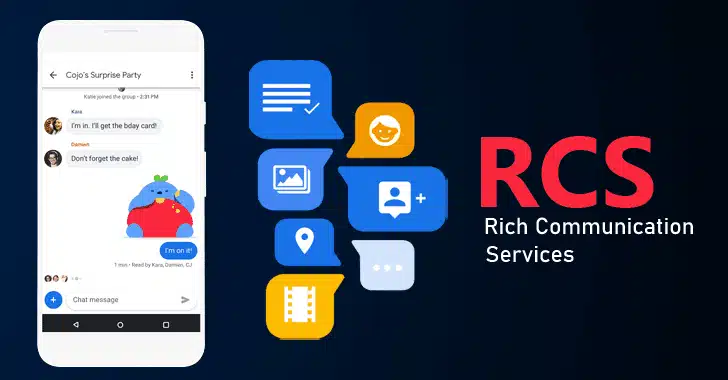
RCS Business Messaging allows companies to communicate through the native messaging experience while adding capabilities such as branded sender profiles, images, videos, rich cards, suggested replies, interactive actions, and conversational workflows.
As a result, the messaging inbox can become more than a place for short alerts. It can support product discovery, order management, appointment scheduling, customer support, loyalty engagement, and other parts of the customer journey.
However, businesses should not treat RCS as a complete replacement for SMS. Instead, the strongest strategies in 2027 will likely combine rich RCS experiences with reliable SMS fallback and broader omnichannel automation.
What Is RCS Business Messaging?
RCS Business Messaging lets a verified business communicate with customers through an RCS-enabled messaging app.
Unlike a traditional SMS sender, an RCS business agent can display recognizable brand information such as the company name, logo, description, contact details, and other profile information.
Messages can also include richer interactive elements.
Depending on Device and Network Support, Businesses Can Use:
- Rich cards with images or video
- Product or service carousels
- Suggested reply buttons
- Suggested actions
- Website links
- Location actions
- Calendar actions
- Two-way conversations
- Delivery and engagement signals
As a result, an RCS conversation can resemble a lightweight, branded customer experience inside the messaging inbox.
Why RCS Could Matter More in 2027
Several developments are pushing RCS toward a larger role in business communication.
First, RCS interoperability continues to expand across mobile ecosystems and carrier networks. As a result, more consumers can take part in richer messaging experiences without downloading a dedicated brand app.
Second, the technical standards behind RCS continue to mature. Improvements to security, interoperability, media handling, verification, and business messaging infrastructure can make large-scale deployment more practical.
Finally, businesses increasingly want fewer disconnected customer journeys. Instead of sending a text that simply directs customers elsewhere, brands want customers to complete more actions directly from the conversation.
That change creates several opportunities for RCS in 2027.
1. Branded Messaging Can Build Greater Recognition
Traditional SMS usually provides limited visual identity.
Customers may see a phone number, short code, sender ID, or previously saved contact. As a result, identifying the sender can sometimes require additional context in the message.
RCS changes that experience.
A business agent can include brand identity directly within the conversation. For example, customers may see the company name, logo, profile information, and verification indicators before interacting with the message.
This matters because trust has become one of the biggest challenges in mobile communication.
Phishing, spam, and fraudulent messages make customers cautious about unexpected texts. Therefore, stronger sender identity can help legitimate businesses create a more recognizable communication environment.
However, verification does not eliminate the need for responsible messaging.
Businesses still need clear consent practices, useful content, reasonable frequency, and easy opt-out processes.
2. Rich Cards Can Turn Messages Into Visual Experiences
One of the biggest differences between SMS and RCS involves presentation.
SMS primarily relies on text and links. Meanwhile, RCS rich cards can combine media, descriptions, and interactive actions in a single message.
For Example, a Retailer Could Present a New Product With:
- A product image
- Product name
- Short description
- Price
- “Shop Now” button
- “Find a Store” option
The customer can then take the next step without first interpreting a plain text message and searching for the correct destination.
Similarly, airlines could display flight information, hotels could present reservation details, and restaurants could show booking options.
Therefore, RCS can shorten the path between message and action.
3. Carousels Can Improve Product Discovery
Businesses with multiple products or choices can use RCS carousels to present several rich cards within one experience.
Imagine an apparel retailer launching a seasonal collection.
Instead of sending:
“See our new winter collection: [link]”
the retailer could present several products directly within the conversation.
Each card might include an image, product title, short description, and relevant action.
The customer could browse available options before opening the retailer’s website.
As a result, RCS can move product discovery closer to the messaging channel.
However, businesses should still keep the experience focused. Too many cards, buttons, or competing actions can make a message harder to use.
4. Suggested Replies Can Make Conversations Easier
RCS can also reduce how much typing customers need to do.
Suggested replies allow businesses to present predefined response options.
For example, an appointment reminder might include:
“Your appointment is tomorrow at 2:30 PM.”
Then, the customer could choose:
- Confirm
- Reschedule
- Contact Us
This approach can speed up routine interactions.
Moreover, suggested responses help businesses structure automated workflows because the system already knows the likely next actions.
In 2026, RCS platforms also continued expanding support for persistent suggestions that can remain visible within certain message experiences. As a result, businesses entering 2027 may have more flexibility in keeping useful actions accessible during longer conversations.
5. Suggested Actions Can Connect Messaging With Real-World Tasks
RCS does not have to end with a reply.
Suggested actions can connect the conversation with useful phone functions or digital destinations.
For Example, a Customer Might Tap a Button To:
- Open a webpage
- Call the business
- View a location
- Add an event to a calendar
- Open an application
- Share a location
As a result, businesses can design messages around specific customer goals.
A restaurant reservation reminder could offer “View Location.” A retailer could provide “Shop Now.” Meanwhile, a service company could include “Call Support.”
This structure creates a clearer next step than asking customers to manually copy information or search for the correct page.
6. Transactional Messaging Can Become More Useful
RCS opportunities extend beyond marketing.
In fact, transactional communication may become one of the channel’s most practical uses.
Consider an e-commerce shipping update.
A traditional SMS might say:
“Your order has shipped. Track it here: [link].”
An RCS experience could instead display an order card with the product image, order status, expected delivery information, and buttons such as:
- Track Order
- View Details
- Contact Support
As a result, customers receive more context without navigating through multiple systems.
The same approach could work for flight updates, financial alerts, reservations, appointment confirmations, ticketing, and account notifications.

7. RCS Can Support More Conversational Customer Service
Businesses increasingly want messaging to support two-way customer communication rather than one-way announcements.
RCS fits naturally into that direction.
For example, a customer could receive an order update and then reply with a question about delivery. An automated system might answer common questions while a human agent takes over more complicated conversations.
Therefore, RCS can become part of a broader conversational customer-service strategy.
AI May Play a Larger Role
By 2027, AI agents will likely handle more routine messaging interactions.
An AI-supported RCS workflow could interpret customer intent, retrieve relevant account information, suggest actions, and escalate complicated issues to employees.
However, businesses should not automate every conversation.
Financial disputes, complex service problems, medical questions, account security issues, or frustrated customers may still require human judgment.
The best approach combines automation with clear escalation paths.
8. RCS Analytics Can Go Beyond Basic Message Delivery
Measurement will become another important advantage.
Traditional messaging analytics often focus on metrics such as sent messages, delivery status, clicks, replies, and conversions.
RCS can provide additional interaction data depending on the platform and implementation.
Businesses May Evaluate:
- Delivered messages
- Read activity
- Button interactions
- Replies
- Rich-card engagement
- Conversation activity
- Conversions
- Billing events
Additionally, platform providers are expanding operational reporting around RCS traffic. By 2027, businesses and messaging partners should have better tools for understanding not only engagement but also traffic behavior and messaging costs.
However, marketers should still connect messaging data with business outcomes.
A high read rate looks impressive, but revenue, completed bookings, qualified leads, repeat purchases, and resolved support cases better reflect actual value.
9. RCS and SMS Will Work Better Together
RCS availability will continue expanding, but businesses should still prepare for customers who cannot receive a particular RCS experience.
Device capabilities, messaging applications, carrier support, geographic availability, and individual user settings can affect reach.
Therefore, SMS fallback remains important.
A business might first determine whether a customer can receive RCS. If RCS is available, the system can send the richer experience. Otherwise, the customer receives an SMS version.
For Example:
| RCS Experience | SMS Fallback |
|---|---|
| Product card with image and button | Product offer with short link |
| Appointment card with actions | Confirmation text with reply instructions |
| Order card with tracking button | Shipping alert with tracking URL |
| Store-location action | Address and map link |
This hybrid strategy gives businesses richer engagement where supported without sacrificing broad communication coverage.
10. RCS Can Support More Complete Customer Journeys
The largest opportunity in 2027 may not involve any individual RCS feature.
Instead, the opportunity comes from connecting features into complete customer journeys.
Consider an abandoned-cart workflow.
The customer could receive an RCS message showing the abandoned product. Then, the message could provide “Return to Cart” and “Need Help?” actions.
If the customer asks a question, automation could answer it.
If the question gets complicated, a human agent could take over the conversation.
Finally, after the purchase, the same messaging journey could shift from marketing to order confirmation and delivery updates.
Therefore, messaging becomes part of the customer experience rather than a separate promotional channel.
Industries That Could Benefit From RCS in 2027
Different industries can use rich messaging in different ways.
| Industry | Potential RCS Use |
|---|---|
| Retail | Product cards, promotions, loyalty and order updates |
| Travel | Itineraries, check-in, delays and destination information |
| Financial Services | Account alerts, educational content and support |
| Healthcare | Appointment workflows and general service notifications |
| Restaurants | Reservations, menus, offers and locations |
| Events | Tickets, schedules and attendee updates |
| Logistics | Tracking, delivery updates and confirmation |
| Automotive | Service reminders, appointments and dealer communication |
However, the best RCS strategy should start with customer needs, not visual features.
Businesses should ask what action customers are trying to complete and then design the message around that action.
Prepare for RCS Business Messaging in 2027
Companies do not need to move every SMS campaign to RCS immediately.
Instead, they can begin with workflows where richer interaction provides a clear advantage.
For example, start with a transactional message, appointment workflow, product recommendation, or customer-service journey.
Then, compare performance with the existing SMS experience.
Additionally, businesses should prepare their messaging infrastructure for channel selection, capability detection, fallback, customer consent, analytics, and integration with CRM or ecommerce systems.
Most importantly, design RCS experiences for convenience, not novelty.
A beautiful carousel that makes purchasing harder provides little value. Meanwhile, a simple order card with the right actions can significantly improve the customer experience.

Final Thoughts
RCS Business Messaging in 2027 represents a shift from simple mobile notifications toward more complete branded conversations.
Rich cards, carousels, suggested replies, interactive actions, verified brand identity, and conversational workflows give businesses new ways to engage customers directly within their messaging experience.
However, RCS should complement, not replace, SMS.
SMS still provides the broad foundation that businesses need for dependable customer communication. Therefore, organizations can use RCS where richer interaction improves the journey while relying on SMS when RCS is unavailable.
The biggest opportunity is not simply sending prettier messages.
Instead, businesses can reduce friction between receiving a message and completing an action.
When RCS connects branding, automation, customer support, commerce, and analytics into one coordinated experience, business messaging can become more interactive, measurable, and useful throughout 2027.



