SMS marketing gives businesses a direct line to customers, but that access comes with risk. A well-timed text can drive a sale, confirm an appointment, recover a cart, or bring a customer back. However, a poorly timed or irrelevant text can push the same customer to reply STOP.
Opt-outs usually do not happen for one reason. Instead, they often build from repeated friction. A subscriber may tolerate one weak message, but frequent texts, vague offers, poor timing, and ignored preferences can quickly damage trust. Therefore, businesses need to understand which sending behaviors increase unsubscribes and how to correct them.
SMS remains a strong channel because customers continue to opt in. SimpleTexting’s 2025 SMS marketing report found that 84% of consumers subscribe to texts from businesses, and 71% want the ability to text businesses back. However, the same report also notes that texting too frequently is the fastest way to lose subscribers. That makes sending behavior one of the most important parts of SMS list health.
Sending Too Frequently
High message frequency creates one of the fastest paths to opt-outs. Customers may enjoy helpful texts, reminders, and timely promotions. However, they rarely want constant interruptions from the same brand.
The right frequency depends on the business, message type, and customer expectation. A food truck may send frequent location alerts to subscribers who requested them. A dentist may text only for reminders and follow-ups. A retail brand may start with two to four promotional texts per month. Therefore, brands should match frequency to the value and urgency of each message.
- Better Approach: “VIP update: New arrivals are here. Reply NEW for first access or STOP to opt out.”
- Risky Approach: Sending three “sale ends soon” texts in one day to the full list.
The fix starts with monitoring opt-out rates by campaign. If unsubscribes spike after a series of texts, reduce volume, improve segmentation, and send only when the message gives customers a clear reason to act.
Sending Irrelevant Messages
Relevance keeps subscribers engaged. If customers receive texts that do not match their interests, purchase history, location, or needs, they may leave the list. For example, a customer who only buys women’s apparel may ignore repeated messages about men’s shoes. Likewise, a landscaping customer who already booked spring cleanup may not need another spring cleanup promotion.
Segmentation helps solve this problem. Businesses can group subscribers by behavior, location, service history, product interest, lifecycle stage, or previous purchases. As a result, each text feels more useful.
- Better Approach: “Your size is back in stock in the black midi dress. Reply HOLD, and we’ll save it until 5 p.m.”
- Risky Approach: “Big sale today!” with no context, personalization, or audience targeting.
The fix is simple: send fewer broad blasts and more targeted messages. Additionally, use clicks, replies, bookings, and purchase history to refine future sends.
Sending At The Wrong Time
Timing affects how customers experience SMS. Even a useful text can annoy someone if it arrives too early, too late, or during an inconvenient moment. For example, a restaurant lunch special sent at 3 p.m. may feel useless. A promotional text sent late at night may feel intrusive.
Businesses should test send times, respect time zones, and think about customer context. A coffee shop may send morning offers before the commute. A boutique may send private sale reminders before evening shopping hours. A service business may send appointment reminders 24 hours ahead.
- Better Approach: “Your appointment is tomorrow at 10 a.m. Reply C to confirm or R to reschedule.”
- Risky Approach: Sending a non-urgent marketing text after 10 p.m.
The fix requires planning. Build messages around when customers can act, not only when the marketing team wants to send.
Sending Without Clear Consent
Customers opt out faster when they feel surprised by a text. If someone gave a phone number for shipping updates, they may not expect weekly marketing promotions. Similarly, if a customer filled out a quote form, they may not want ongoing promotional campaigns unless the form clearly explained that.
Consent should feel obvious. Subscribers should know which business will text them, what types of messages they may receive, and how to opt out. CTIA messaging best practices emphasize consent and opt-out options for business messaging. Additionally, the FCC’s TCPA opt-out rules that took effect on April 11, 2025, make consent revocation especially important for businesses that send robotexts.
- Better Approach: “By signing up, you agree to receive marketing texts from [Brand Name]. Reply STOP to opt out.”
- Risky Approach: Adding every checkout phone number to a promotional list without clear opt-in language.
The fix is to review every opt-in source. Forms, popups, QR codes, keyword campaigns, checkout pages, and booking forms should set clear expectations.
Sending Too Many Discount-Only Texts
Discounts can drive short-term sales, but they can also create fatigue. If every text promotes 10% off, 20% off, or “last chance,” customers may stop believing the urgency. Moreover, constant discounts can make the brand feel less valuable.
SMS should include a mix of messages. Brands can send product tips, loyalty rewards, appointment reminders, new arrivals, back-in-stock alerts, helpful updates, event invites, and reorder reminders. This balance keeps the channel useful instead of purely promotional.
- Better Approach: “Your loyalty reward is ready. Show this text for a free pastry with your next coffee.”
- Risky Approach: “SALE SALE SALE” every weekend with the same offer.
The fix is to build a balanced SMS calendar. Add value between promotions, so subscribers have more reasons to stay.
Sending Vague Messages With Weak Calls To Action
A text should make the next step clear. Vague messages waste attention and increase frustration. For example, “Something exciting is coming” may create curiosity, but it does not help the customer act. Similarly, “Check us out” feels weak because it lacks urgency, benefit, and direction.
Strong SMS copy includes one clear idea, one customer benefit, and one action. Since texts are short, every word should earn its place.
- Better Approach: “Today only: Buy one latte, get one free before 10 a.m. Show this text at checkout.”
- Risky Approach: “Don’t miss out on our latest updates!”
The fix is to write for action. Ask subscribers to reply, book, shop, confirm, claim, review, or learn more.

Ignoring Replies And Customer Preferences
Many subscribers want two-way communication. If a customer replies with a question and receives no answer, the brand may look careless. Worse, if a customer asks for fewer messages and the business ignores that request, the customer may opt out completely.
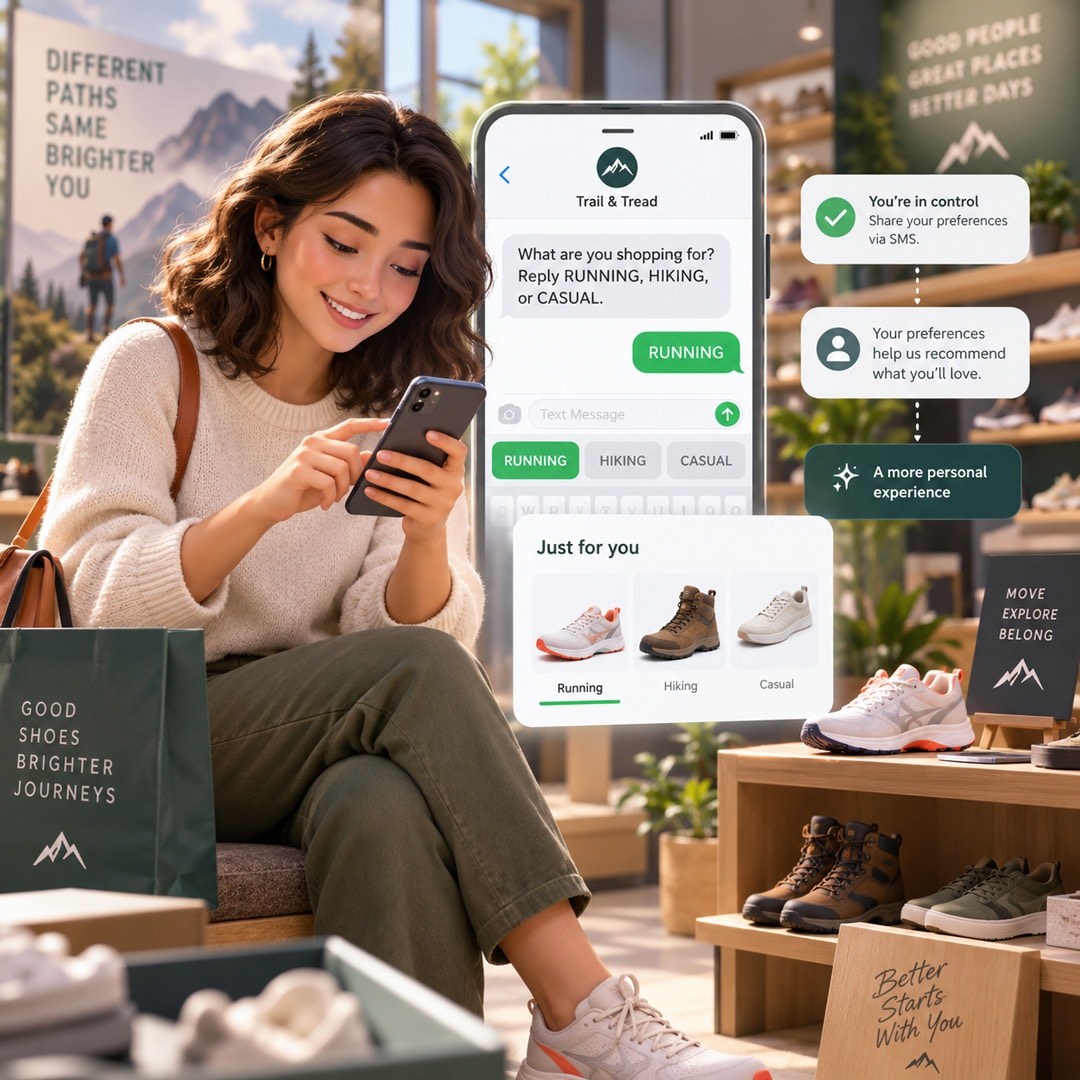
Two-way texting can reduce opt-outs because it gives subscribers control. Customers can ask about availability, update preferences, reschedule appointments, or request help. However, the business must monitor replies and respond quickly.
- Better Approach: “Want fewer texts? Reply MONTHLY for monthly updates or STOP to opt out.”
- Risky Approach: Inviting replies but never checking the inbox.
The fix is operational. Assign team ownership, create response templates, and route urgent replies to the right person.
Sending The Same Message To Everyone
One-size-fits-all texting creates fatigue. A new subscriber, loyal customer, inactive buyer, recent purchaser, and high-value VIP should not always receive the same message. When everyone gets every campaign, relevance drops and opt-outs rise.
Instead, brands should build lifecycle-based campaigns. New subscribers may need a welcome offer. Recent buyers may need post-purchase tips. Inactive customers may need a reactivation message. VIP customers may deserve early access.
- Better Approach: “You’re one visit away from a reward. Stop by this week to unlock it.”
- Risky Approach: Sending the same generic promotion to all subscribers every Friday.
The fix is segmentation and suppression. Exclude recent buyers from irrelevant purchase prompts, and treat inactive subscribers differently from engaged customers.
Failing To Honor Opt-Outs Quickly
Nothing damages trust more than continuing to text someone who asked to stop. Businesses should process STOP, CANCEL, UNSUBSCRIBE, and other clear opt-out language quickly. Moreover, they should maintain accurate suppression lists across platforms.
This matters for trust and compliance. A clean opt-out process shows respect for customer choice and reduces complaints.
- Better Approach: “You’re unsubscribed from [Brand Name] texts. Reply START to resubscribe.”
- Risky Approach: Sending more messages after a customer replies STOP.
The fix is to use an SMS platform with automatic opt-out handling and staff training for non-standard unsubscribe requests.
FAQs
What SMS Behavior Causes The Most Opt-Outs?
Texting too frequently often causes the most opt-outs because subscribers feel overwhelmed. Irrelevant messages, poor timing, unclear consent, and weak value can also increase unsubscribes.
How Often Should Businesses Text Customers?
Many businesses can start with two to four promotional texts per month. However, reminders, transactional updates, and requested alerts may follow different timing based on customer expectations.
Do Discount Texts Cause Opt-Outs?
Discount texts can cause opt-outs when businesses send them too often or repeat the same offer. Brands should mix promotions with helpful reminders, loyalty perks, and relevant updates.
Can Personalization Reduce Opt-Outs?
Yes. Personalization and segmentation can reduce opt-outs because customers receive messages that better match their interests, timing, and behavior.
Should Businesses Let Customers Choose Text Frequency?
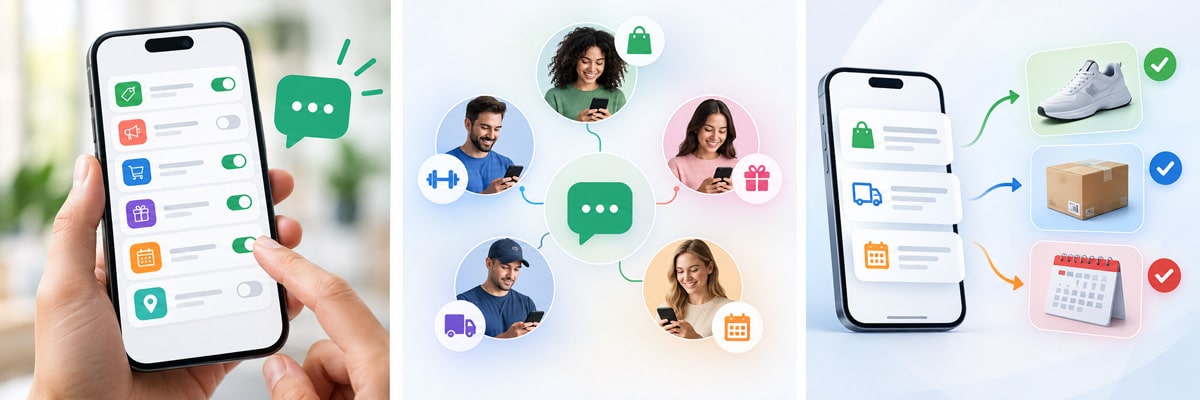
Yes. Preference options can help businesses retain subscribers who want fewer messages. For example, customers may choose weekly, monthly, or event-only updates.

Final Thoughts
SMS opt-outs often reveal a sending problem. Customers may leave because texts arrive too often, feel irrelevant, interrupt at the wrong time, lack clear consent, or offer too little value. However, businesses can fix these problems with better planning.
The best SMS programs respect attention. They send timely messages, segment audiences, invite replies, honor preferences, and make every text useful. Additionally, they monitor opt-out rates after every campaign so small problems do not become list-wide issues.
Ultimately, subscribers do not opt out because brands text them. They opt out because the messages stop feeling worth it. When businesses send fewer, smarter, and more relevant texts, they can protect list health, improve engagement, and build stronger customer relationships.