
Businesses use SMS for many purposes, from confirming appointments to announcing limited-time sales. However, not every business text belongs in the same category. Transactional and promotional messages serve different goals, create different customer expectations, and may require different levels of consent.
The distinction matters because one promotional sentence can change the nature of an otherwise informational message. For example, an order confirmation that includes a discount on the next purchase may no longer function as a purely transactional update.
Therefore, businesses should classify each message before sending it. They should also separate consent records, automation flows, and performance metrics whenever possible. By understanding the differences, companies can create clearer customer experiences while reducing compliance and deliverability risks.
What Is Transactional SMS?
Transactional SMS delivers information related to an action, account, service, or existing customer relationship. The message helps the recipient complete a process, monitor an activity, protect an account, or receive an expected update.
Common transactional messages include:
- Order confirmations
- Shipping and delivery updates
- Appointment reminders
- Payment receipts
- Password reset codes
- Security and fraud alerts
- Reservation confirmations
- Service interruption notices
- Account balance notifications
- Subscription renewal reminders
For example: “Green Street Dental: Your appointment is scheduled for August 12 at 2:30 p.m. Reply C to confirm or call us to reschedule.”
The message relates directly to an appointment that the customer already booked. Moreover, it provides useful information and a clear next step without trying to sell another service.
However, businesses should not assume that every customer relationship permits every transactional message. The appropriate consent still depends on the message, technology, jurisdiction, and circumstances. In the United States, the TCPA generally requires prior express consent for automated calls and robotexts unless an exemption applies.

What Is Promotional SMS?
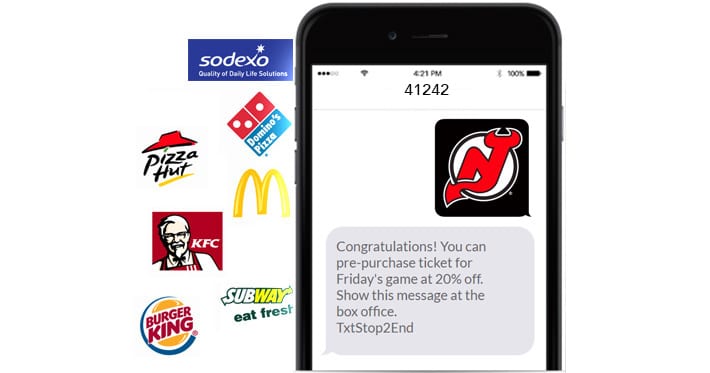
Promotional SMS encourages recipients to purchase, book, upgrade, subscribe, donate, or take another commercial action. These messages often advertise products, services, discounts, events, or loyalty programs.
Examples include:
- Flash-sale announcements
- New product launches
- Discount codes
- Seasonal promotions
- Upsell and cross-sell campaigns
- Abandoned-cart reminders
- Loyalty program invitations
- Limited-time booking offers
- Product recommendations
- Win-back campaigns
For example: “Green Street Dental: Book a teeth-whitening treatment this week and save 20%. Reserve your appointment: [link]”
This message promotes a paid service. Therefore, it clearly belongs in the promotional category.
Current messaging policies generally require a higher level of permission for promotional texts. Twilio’s policy, for instance, states that messages promoting products or services require prior express written consent and lists discounts, product launches, newsletters, and loyalty invitations as promotional examples.
Transactional vs. Promotional SMS at a Glance
| Factor | Transactional SMS | Promotional SMS |
|---|---|---|
| Primary purpose | Provide expected information | Encourage a commercial action |
| Trigger | Customer activity or account event | Marketing campaign or sales opportunity |
| Typical timing | Immediately or when an update matters | According to campaign strategy |
| Main content | Confirmations, alerts, or instructions | Offers, products, or incentives |
| Customer expectation | Often expected after an action | Expected only after marketing opt-in |
| Call to action | Confirm, verify, track, or manage | Buy, book, upgrade, or shop |
| Consent approach | Appropriate express consent | Usually express written marketing consent |
| Main success metric | Completion, delivery, or reduced support | Revenue, conversions, or engagement |
Why Mixed Messages Create Problems
A message can begin as transactional and become promotional when a business adds marketing content.
Consider this example: “Your order has shipped and will arrive Friday. Track it here: [link]. Add matching accessories today and save 15%.”
The first two sentences provide a delivery update. However, the final sentence introduces a sales promotion. As a result, the message combines two different purposes.
Mixed messages can create several problems. First, recipients who agreed only to order updates may not expect advertising. Second, the promotional content may affect the consent standard that applies to the entire text. Finally, customers may start ignoring important updates if every notification contains another offer.
Therefore, businesses should generally keep transactional and promotional content separate. Send the delivery update as one message, and send the accessory offer only to customers who provided the appropriate marketing permission.
How to Classify an SMS Message
Before activating an SMS campaign or automation, ask these questions:
- Would the message still need to go out without the sales content?
- Does it relate directly to an action the customer completed?
- Does it encourage a purchase, upgrade, or booking?
- Does it include a discount, product recommendation, or limited offer?
- Would the customer reasonably expect this text?
- Which consent record supports the message?
- Can the business remove the promotional section without reducing the message’s informational value?
If the message mainly confirms or supports an existing activity, it may qualify as transactional. However, if its main purpose involves generating revenue or promoting an offer, classify it as promotional.
When the answer remains unclear, businesses should seek qualified legal guidance rather than choosing the less restrictive category for convenience.
Keep Consent Records Separate
Businesses should know exactly what each customer agreed to receive. A phone number collected for delivery coordination should not automatically enter a marketing campaign.
Similarly, a customer who requests a password code has not necessarily requested weekly promotions. Twilio’s A2P registration guidance specifically notes that consent for order updates does not automatically cover promotional campaigns and recommends separate opt-ins for different campaign types.
A Reliable Consent Record Should Capture:
- The phone number
- The brand or program name
- The date and time of consent
- The sign-up source
- The disclosure shown
- The permitted message types
- The expected frequency
- Any later opt-out or preference change
Additionally, companies should synchronize consent data across ecommerce platforms, CRMs, customer support tools, and messaging systems. Otherwise, one system may continue sending texts after another records an opt-out.
Set Clear Expectations at Sign-Up
Transparency helps subscribers understand what they will receive. Therefore, an SMS call to action should identify the business, explain the message purpose, and describe the expected frequency when appropriate.
- A promotional opt-in might say: “Sign up for up to four monthly texts from Oak Market, including new products and subscriber-only offers.”
- Meanwhile, a transactional option might say: “Enter your mobile number to receive appointment confirmations and schedule updates.”
These descriptions should not appear interchangeable. CTIA’s industry guidance asks business message senders to obtain consent before texting consumers and provide a way to stop future messages.
Moreover, the first message should confirm the program and make the sender easy to recognize. Clear identification reduces confusion and strengthens customer trust.
Respect Opt-Outs and Preferences
Promotional SMS programs should provide straightforward opt-out instructions, such as replying STOP. Businesses must then process those requests promptly and prevent future promotional sends.
However, customers may want to stop marketing while continuing essential account alerts. Therefore, preference systems should distinguish between message categories when the technology, consent language, and applicable rules allow it.
For example, a customer could unsubscribe from offers while retaining delivery updates. Nevertheless, businesses should never use a transactional category as a loophole to continue advertising after someone opts out of marketing.
Current messaging guidance emphasizes collecting consent, retaining records, explaining what subscribers will receive, and making opt-outs easy.
Measure Each Message Type Differently
Transactional and promotional messages should not share the same performance dashboard.
For transactional SMS, useful metrics include:
- Delivery rate
- Verification completion
- Appointment confirmation rate
- Failed payment recovery
- Reduced no-shows
- Fewer customer service inquiries
Conversely, promotional SMS metrics may include:
- Click-through rate
- Conversion rate
- Revenue per recipient
- Coupon redemption
- Incremental revenue
- Opt-out rate
This separation produces more meaningful reporting. After all, an appointment reminder should not face the same revenue expectations as a flash-sale campaign.
Build Trust Through Clear Message Boundaries
Transactional SMS should help customers manage an existing interaction. Promotional SMS should reach subscribers who knowingly agreed to receive marketing.
Although both message types can support business growth, they should not become indistinguishable. Transactional texts build reliability by delivering timely information, while promotional texts create opportunities by presenting relevant offers.
Ultimately, businesses should classify messages by their true purpose, maintain accurate consent records, separate informational and sales content, and honor customer choices. As a result, they can protect trust while using SMS more effectively across the entire customer journey.