Table of Contents
- What Counts As SMS Marketing
- Why Big Brands Keep Investing In SMS
- 1) Starbucks
- 2) Domino’s
- 3) Sephora
- 4) Target
- 5) Walmart
- 6) McDonald’s
- 7) Ulta Beauty
- 8) The Home Depot
- 9) Delta Air Lines
- 10) Best Buy
- What These Brands Do Better Than Everyone Else
- They Make SMS Useful First
- They Control Frequency
- They Keep Copy Short And Direct
- They Segment Aggressively
- They Make Opt-Out And Help Easy
- How To Copy Big-Brand SMS Without A Big Budget
- Conclusion
SMS marketing is no longer a “small business” tactic. Big brands use it because it drives fast action. It also reaches customers without an algorithm. And since most people check texts quickly, SMS stays reliable when email and social get noisy.
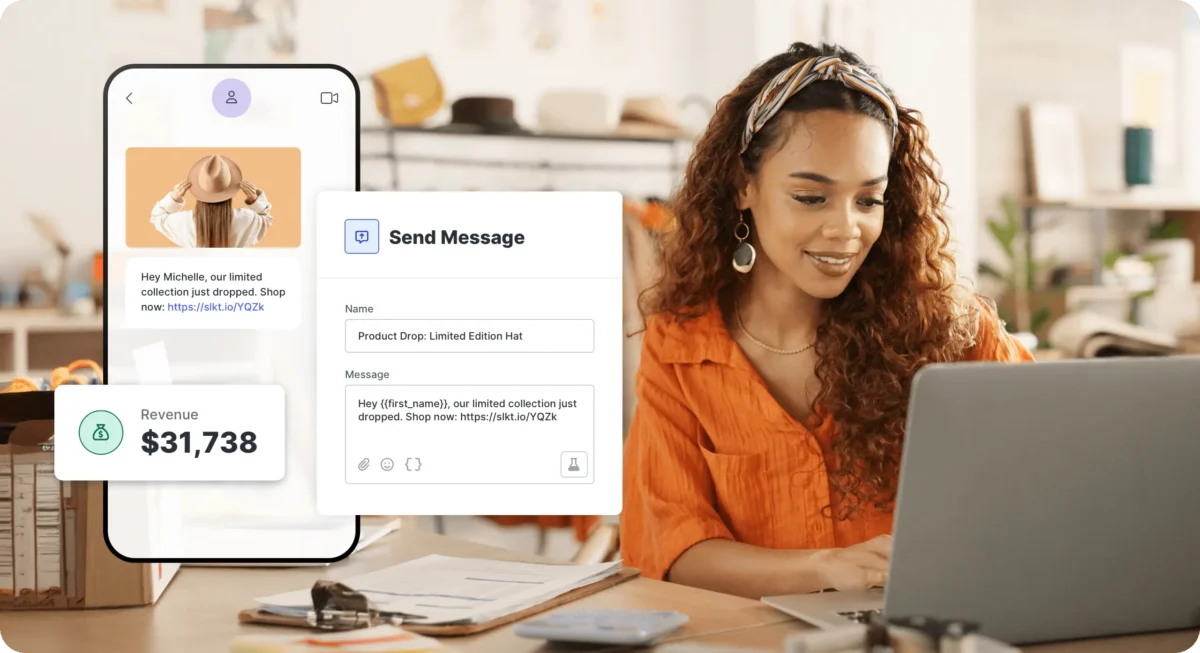
However, “big brand SMS” is not just sending coupons. The best programs follow a system. They earn consent. They set expectations. Then they send fewer, better messages. As a result, customers read rather than opt out.
This post covers 10 major brands using SMS. It also explains what they do well. Finally, it gives a simple playbook you can copy.
What Counts As SMS Marketing
SMS marketing can include promotions, alerts, and loyalty messages. It can also include “service-first” texts that build trust, like pickup updates or account notifications. Meanwhile, some brands mix both.
For this list, “using SMS marketing” means the brand runs an opt-in text program that supports promotional messaging, branded alerts, or both. In other words, the brand treats texting as a real channel, not a one-time support message.
Why Big Brands Keep Investing In SMS
Big brands chase three outcomes: attention, speed, and measurable action.
First, SMS gets noticed. Therefore, it works well for time-sensitive offers.
Second, SMS reduces steps. So it can push customers to buy, book, or redeem quickly.
Third, SMS improves coordination across channels. For example, a brand can run awareness on social and then close the loop by text.
Now let’s look at who does it at scale.
1) Starbucks
Starbucks uses SMS to support promotional and engagement campaigns. That aligns with the brand’s mobile-first approach. Customers already live in the app. So texting becomes a natural extension.
Starbucks also benefits from short offers and quick reward moments. Therefore, SMS works well for “today only” nudges and loyalty-style prompts.
Key takeaway: pair SMS with loyalty behavior, then keep the message short.
2) Domino’s
Domino’s uses SMS for marketing offers, and it keeps expectations clear. That clarity helps because customers know what they signed up for. Also, pizza is high-intent and time-based. So texting matches the buying cycle.
Domino’s also shows a key discipline: controlled frequency. When you cap volume, you protect trust. And when you protect trust, people keep reading.
Key takeaway: Set a frequency expectation, then deliver within it.
3) Sephora
Sephora uses SMS for beauty drops, promos, and loyalty-driven messaging. This category loves early access. It also loves “newness.” Therefore, SMS becomes the perfect “heads up” channel.
Sephora also uses texting as a sign-up driver. That matters because list growth fuels long-term results. However, the real win comes from relevance. So the best beauty SMS programs segment by interest and buying behavior.
Key takeaway: make SMS the early-access lane, not the long-form lane.
4) Target
Target supports text programs and SMS terms across different experiences. That signals scale. It also signals structure, because a brand this size cannot “wing it.”
Target’s core advantage is variety. It can tie SMS to deals, store experiences, and customer updates. However, variety can create noise. Therefore, the winning move is segmentation. Customers should not get texts that do not match what they want.
Key takeaway: build multiple streams, then let customers choose.
5) Walmart
Walmart uses SMS for alerts and customer communications, including pickup and service updates. Even when the message is “operational,” it still supports marketing goals. Here’s why: utility builds trust.
When customers rely on texts for pickup readiness, they stay receptive to future messages. However, this only works if the brand respects preferences. So quiet hours, frequency control, and clear opt-out all matter.
Key takeaway: start with utility, then layer in promotion carefully.
6) McDonald’s
McDonald’s runs SMS programs tied to marketing and promotions. Fast food depends on timing. It also depends on habit. Therefore, SMS works well for limited-time offers and app-driven nudges.
McDonald’s also shows the power of cultural moments. A creative hook can drive opt-ins quickly. Then the brand can keep engagement through short, consistent offers.
Key takeaway: Use SMS for simple offers and fast redemptions.
7) Ulta Beauty
Ulta uses SMS alerts for sales, new arrivals, and special offers. Like Sephora, Ulta benefits from repeat buying and frequent promos. Therefore, SMS becomes a steady “deal signal” for subscribers who want it.
Ulta’s best lesson is cadence. Beauty brands can text more often than many categories. However, they still need rules. So segmentation and preference controls keep the channel healthy.
Key takeaway: match cadence to category, but keep relevance tight.
8) The Home Depot
The Home Depot runs promo text programs and text alerts. This is a strong example of “helpful marketing.” Home improvement customers often plan purchases around projects. So reminders, deal alerts, and how-to prompts can feel useful rather than spammy.
Also, Home Depot can connect SMS to seasonal demand. For example, storm prep, outdoor projects, and holiday fixes all create urgency windows. Therefore, SMS becomes a high-timing channel.
Key takeaway: tie texts to real-life moments, not random blasts.
9) Delta Air Lines
Delta supports SMS for travel updates, as well as announcements and promotions. Travel is time-sensitive. Therefore, customers value texts that reduce uncertainty.
Delta’s lesson is simple: accuracy beats cleverness. One wrong update creates frustration fast. So the best travel SMS programs focus on clarity, then add promotions only when they fit.
Key takeaway: Earn trust with essential alerts, then use promos sparingly.
10) Best Buy
Best Buy runs text message services that support customer communication and promotional use cases. This fits the electronics buying journey. People research. Then they wait for a deal. Then they buy quickly when the price drops.
Therefore, Best Buy can use SMS for deal alerts, cart nudges, and pickup coordination. The strongest results usually come from intent-based triggers, not mass sends.
Key takeaway: trigger texts from behavior, not from a calendar.
What These Brands Do Better Than Everyone Else
Big brands win with SMS because they treat it like a product, not a campaign. They build rules. They build routing. They also build trust.
Here are the patterns to copy.
They Make SMS Useful First
Utility messages train attention. Order updates, pickup alerts, and appointment reminders feel helpful. Therefore, customers trust the sender.
Then promos perform better because the sender already feels credible.
They Control Frequency
High frequency drives opt-outs. Also, opt-outs weaken your list. Therefore, big brands cap sends, segment audiences, and avoid over-messaging.
The simple rule: send less, convert more.
They Keep Copy Short And Direct
Big brands do not write essays by text. Instead, they use:
- one idea
- one action
- one link (often)
That structure reduces friction. It also reduces confusion.
They Segment Aggressively
A giant retailer serves many customer types. Therefore, it must segment.
You can copy this at any size:
- new vs returning customers
- product category interest
- location
- purchase frequency
- VIP vs casual
Segmentation keeps messages relevant. And relevance keeps the channel alive.
They Make Opt-Out And Help Easy
Customers stay calm when they feel in control. Therefore, good programs make STOP and HELP obvious. They also honor preferences fast.
This is not just “compliance.” It is also retention.
How To Copy Big-Brand SMS Without A Big Budget
You do not need a massive tech stack. You need discipline.
Use this simple system:
- Collect opt-in with clear expectations
- Send a welcome text that sets the tone
- Lead with utility messages when possible
- Add promos only when they match intent
- Cap frequency and respect quiet hours
- Make STOP and HELP easy
- Review results weekly, then adjust
If you follow this, you will look professional in no time. Moreover, you will avoid the spam trap that kills most SMS programs.
Conclusion
The biggest brands use SMS because it works. They use it to drive quick action, support real-time updates, and strengthen loyalty. However, their real advantage is not size. It is discipline.
So copy the discipline. Stay clear. Stay relevant. Send fewer messages. And keep trust at the center.
That’s how you get “big brand” SMS results without sounding like spam.