Authors often depend on social media, email, online retailers, and advertising platforms to reach readers. However, each channel creates a different challenge. Social posts may receive limited visibility, emails can sit unopened, and paid advertisements require a continuing budget.
Text messaging gives authors another way to communicate directly with readers who have actively requested updates. Because SMS works best for short, timely information, it can support book launches, event reminders, preorder campaigns, reader communities, and direct sales.
However, authors should not treat SMS as a replacement for email or social media. Instead, they should use it selectively for moments when speed, simplicity, and direct communication matter most.
Text Messaging Creates a Direct Reader Connection
Authors cannot control how social media algorithms distribute their posts. Even loyal followers may miss an announcement because the platform decides not to display it prominently.
By contrast, a permission-based messaging list creates a more direct connection with readers. The Authors Guild highlights the value of communication channels that allow writers to build and maintain their own reader communities rather than depending entirely on social platforms.
SMS still relies on a messaging provider and mobile carriers. Nevertheless, authors can retain organized subscriber records, preferences, and consent information.
Consequently, texting can become one part of an author-owned audience strategy alongside a website and email list.
It Supports Time-Sensitive Book Launches
Book launches include many important dates, such as preorder deadlines, cover reveals, release days, virtual events, and temporary price promotions. Therefore, authors need a channel that can deliver concise reminders at useful moments.
BookBub’s current marketing resources emphasize coordinated launch planning, preorder promotion, platform building, and continued marketing after publication.
Authors can use SMS to support those activities with messages such as:
- “My new mystery is officially available today.”
- “Preorder bonuses close at midnight.”
- “The virtual launch begins in one hour.”
- “Signed editions are available while supplies last.”
- “The ebook price promotion ends tonight.”
Email can explain the book, share reviews, introduce characters, and display the cover. SMS, meanwhile, can remind readers when the next action becomes available.
As a result, the two channels can work together without repeating the same message.
It Can Increase Event Attendance
Book signings, readings, workshops, virtual launches, and festival appearances depend on readers remembering a specific date and time.
Therefore, text messages can provide useful event reminders. An author might send one confirmation after registration, another the day before, and a brief reminder shortly before the event begins.
A Simple Event Sequence Could Look Like This:
| Stage | Best Communication |
|---|---|
| Initial invitation | Email or event page |
| Registration confirmation | Email and optional SMS |
| Day-before reminder | SMS |
| Last-minute change | SMS |
| Replay or follow-up |
SMS becomes especially valuable when plans change. For example, an author can quickly notify registered readers about a new venue, delayed start, changed signing time, or updated livestream link.
Moreover, authors can segment event messages by location. Readers in Chicago do not need repeated reminders about an appearance in Miami.
It Helps Authors Promote Preorders
Preorders can help authors build early momentum and estimate reader interest before release day. However, readers may intend to preorder and then forget.
A well-timed text can remind subscribers about:
- Preorder availability
- Special-edition deadlines
- Signed-copy opportunities
- Exclusive preorder gifts
- Price changes
- Final ordering dates
BookBub’s recent preorder guidance includes reader incentives, direct-channel promotion, community activity, and other methods for building advance interest.
However, authors should avoid sending constant countdown messages. One announcement and one meaningful deadline reminder will often feel more respectful than daily pressure.
It Can Support Direct Book Sales
Authors who sell books through their own websites can use SMS to drive readers toward signed copies, bundles, merchandise, audiobooks, and special editions.
Direct sales can also give authors more control over pricing, customer relationships, and the buying experience. BookBub has documented numerous ways authors use their own stores, bundles, exclusive products, and reader incentives to generate direct sales.
For example, an author could text:
“Signed hardcover bundles are now available in my store. View the options here: [link]”
The message has one offer and one action. Therefore, it suits the SMS format better than a long list of unrelated products.
Nevertheless, authors should use branded, trustworthy links and ensure that the landing page works well on mobile devices.

It Encourages Reader Interaction
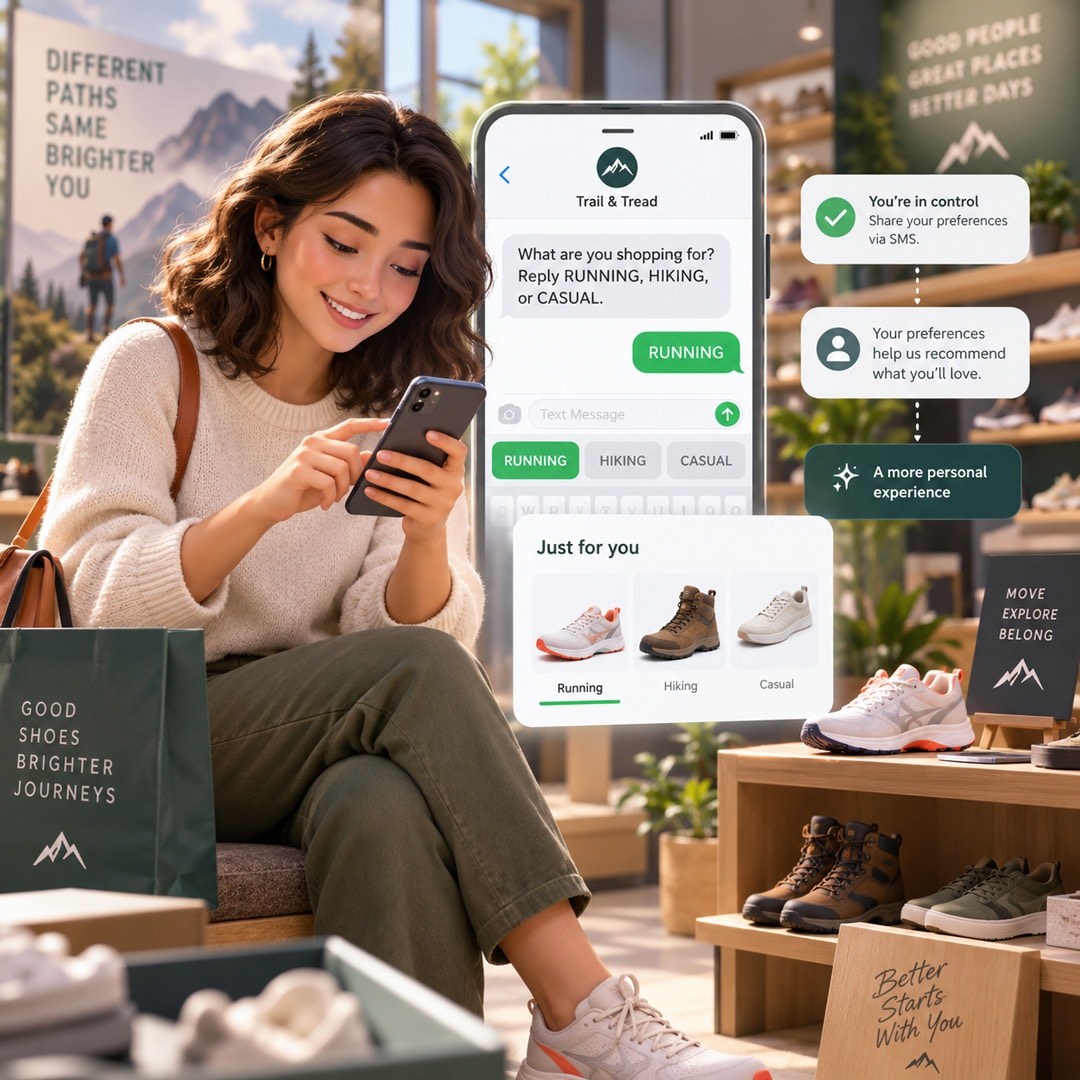
Text messaging does not need to function only as a broadcast tool. Authors can invite readers to respond, vote, ask questions, or share preferences.
Possible two-way SMS activities include:
- Voting between two character illustrations
- Submitting questions for a livestream
- Choosing preferred event locations
- Selecting genre or series updates
- Sharing a favorite character
- Requesting a recommended reading order
For example:
“Which updates would you like? Reply 1 for the Harbor Mysteries, 2 for historical fiction, or 3 for both.”
The responses can help the author segment future campaigns. Consequently, readers receive more relevant texts, while the author learns what the audience actually wants.
However, authors should only invite replies when someone will review them. An unanswered invitation can weaken trust.
It Helps Promote Backlist Books
Authors do not need a new release to create an effective text campaign. Older books can attract new attention through seasonal themes, anniversaries, series promotions, adaptations, reading challenges, and related releases.
BookBub continues to recommend active backlist promotion because older titles can still reach new readers and re-engage existing fans.
For Instance, An Author Might Send:
- A complete series reading order
- A discounted first book in a series
- A seasonal recommendation
- A bundle of earlier titles
- A reminder before a sequel launches
- A link to an audiobook edition
Therefore, SMS can extend the commercial life of existing books instead of focusing exclusively on release week.
It Can Generate Reviews and Feedback
Reader reviews can help future buyers decide whether a book matches their interests. However, many satisfied readers simply forget to leave one.
After allowing enough reading time, an author can send a polite review request with a direct link:
“Finished The Last Summer Train? I’d be grateful for an honest review: [link]”
The author should request honest feedback rather than demand a positive rating. Additionally, the timing should reflect the book’s length and format.
Authors can also use short surveys to ask what readers want next. For example, subscribers might vote on bonus stories, special editions, cover designs, audiobook interest, or future event locations.
It Strengthens Reader Loyalty
Readers often support an author across several books. Some join launch teams, recommend titles, attend events, or purchase special editions.
Therefore, authors can use SMS to reward highly engaged readers with meaningful access, including:
- Early cover reveals
- First notice of signed copies
- Private livestream invitations
- Bonus chapters
- Advance event registration
- Series-related announcements
- Limited direct-sale bundles
However, “exclusive” messages should provide genuine value. If every routine update receives a VIP label, the concept will quickly lose credibility.
Instead, authors should send fewer messages and make each one feel worthwhile.
It Works Well With Other Marketing Channels
SMS has limited space, so it cannot replace detailed book descriptions, interviews, sample chapters, or long newsletters.
Instead, it can direct readers toward richer content:
- Email newsletters
- Author websites
- Sample chapters
- Podcasts
- Book trailers
- Blog posts
- Online stores
- Event registration pages
The Authors Guild encourages writers to coordinate websites, newsletters, social platforms, events, and other channels according to their audience and goals.
For example, email can introduce an upcoming release, social media can build conversation, and SMS can deliver the final release-day reminder.

Authors Must Use SMS Responsibly
Authors need clear permission before sending promotional texts. They should explain what subscribers will receive, identify themselves, maintain consent records, and make opting out simple.
Current messaging guidance emphasizes transparent opt-ins and the recipient’s continuing ability to revoke consent through recognized opt-out methods.
A Strong Author SMS Program Should Also:
- Set realistic frequency expectations
- Separate promotional and service messages
- Avoid purchased phone lists
- Respect local quiet hours
- Process opt-outs promptly
- Protect subscriber information
- Send only content readers requested
Ultimately, text messaging benefits authors by providing a direct, timely, and interactive connection with readers. It can strengthen launches, improve event attendance, support direct sales, revive backlist titles, and build long-term loyalty.
However, SMS works best when authors use it with restraint. Useful messages create anticipation and connection, while excessive promotions create fatigue. Therefore, the most successful authors will treat every text as a valuable invitation rather than another advertisement.